Rule 8.1 Explained After Tour Championship Rakes Row

What We Know
At the Tour Championship, talk on the range and in the media center turned to a rulebook subject that rarely makes headlines: what a player is allowed to do to the ground before hitting a shot. According to reports from Yahoo Sports and Yardbarker, the PGA Tour issued a last-minute clarification about players raking footprints or divots in ways that could end up assisting a fellow competitor, with the names Viktor Hovland and Matt Bridgeman surfacing in the discussion. The precise on-course sequence that triggered the clarification is not fully detailed in the available reporting, but the reaction from players was described as frustration over the timing, a rules note landing amid one of the season's biggest events rather than being settled well in advance.
Because the public reporting is thin on exact facts, this piece focuses on the rule itself: what Adapt to the Golf Course actually says, why raking or smoothing ground can be a problem, and how club golfers can avoid the same pitfall.
The Rule Behind the Headline
Rule 8 governs playing the course as you find it. The core idea is simple: golf is meant to be played on a course that is left in its natural state between the time a ball comes to rest and the time it is played. Players are not supposed to improve conditions that could affect their stroke, their line of play, or their area of intended stance or swing.
That means smoothing out a footprint in a bunker, patting down a divot in the fairway, or pressing down turf behind the ball can all cross a line, even if the intention seems harmless or courteous. The rule does not require bad intent. It asks whether an action improved conditions affecting the stroke. If it did, a penalty can apply under Rule 8.1, generally the general penalty in most forms of play.
This is precisely why raking or tidying up ground near another player's ball became a talking point at the Tour Championship. If a competitor's playing partner smooths a lie or a stance area, and that happens to help someone else's next shot, the rule can be triggered even without any deliberate scheme to bend the outcome.
Why Raking Footprints Is Tricky
Golfers are taught bunker etiquette from day one: rake your footprints, leave the trap tidy for the next group. That instinct is good manners and good Bunkers and the Green practice, but timing matters enormously.
- Raking after your own ball has been played and before anyone else plays from that bunker is standard and expected.
- Raking or smoothing an area before a stroke, when it could affect your own or someone else's shot, is where Rule 8.1 gets involved.
- The safest habit is to wait until everyone in the group has finished with that section of the bunker, or the hole, before tidying it up.
The same logic extends beyond bunkers. Divots in the general area, footprints near a green, or debris on a line of play can all become relevant if touched at the wrong moment. The distinction the rule draws is not between kind and unkind actions, it is between actions taken before a shot that change the conditions affecting that shot, versus routine course care that happens after play has moved on.
Why the Timing of the Clarification Stung
Part of the player frustration reported around this story appears to stem from a rules note arriving during tournament week rather than being clearly communicated beforehand. Professional players and their caddies rely on settled, well-understood interpretations heading into an event, especially one as consequential as the Tour Championship. A clarification issued close to competition can feel like the goalposts moved mid-week, even if the underlying rule itself has not changed.
For club golfers, the lesson is less about controversy and more about awareness. Rule 8 is not new and its logic is consistent: leave the course as you found it until play has passed that point. Understanding this proactively, rather than learning it from a rules official mid-round, avoids exactly the kind of last-minute confusion that made news at a PGA Tour event.

All rules, practice exams and an AI Coach with photo recognition. Free to download.
Practical Takeaways for Your Own Round
- Before hitting a shot, resist the urge to smooth footprints, press down turf, or clear debris from your stance or line if it could be seen as improving conditions.
- In bunkers, rake only after your ball and any other relevant balls in that area have already been played.
- If you are unsure whether smoothing something counts as improving conditions affecting the stroke, treat it as Bunker etiquette for later, not maintenance for now.
- Learn the difference between routine course care and actions that alter the lie, stance, or line of play before a stroke is made, since this distinction sits at the heart of Adapt to the Golf Course.
- When playing with partners, be mindful that helping a teammate by tidying an area near their ball can carry the same risk as helping yourself.
Rules controversies at the highest level of golf are useful reminders for the rest of us. Rule 8.1 is not about punishing bad manners, it is about protecting the idea that everyone plays the course as they find it. Keep that principle in mind and the bunker rake in your hand will cause you far less trouble than it apparently did at the Tour Championship.
Sources: Yahoo Sports, Yardbarker
- Tour Championship rules clarification coverage · Yahoo Sports
- Hovland, Bridgeman and the raking incident report · Yardbarker
Rules in this article
Also read
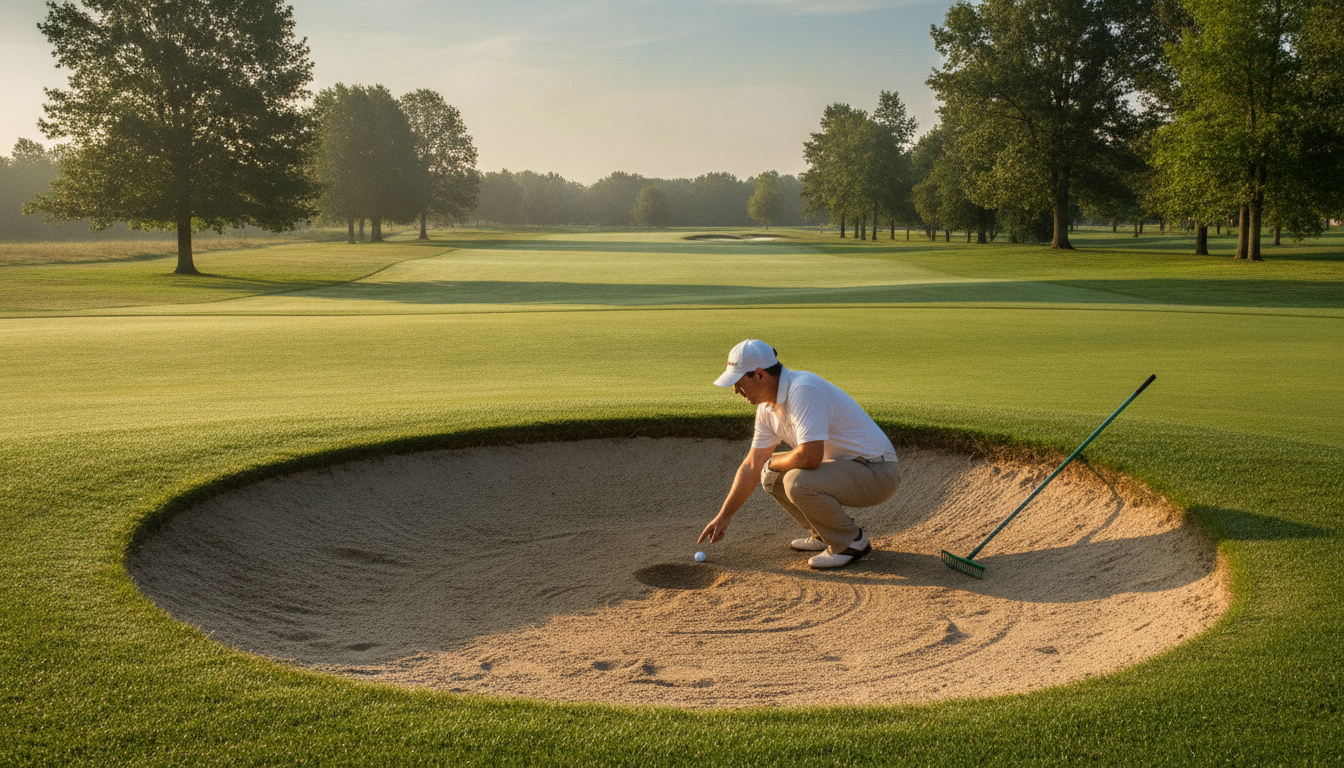
What Pro Golf Rulings Teach Club Golfers
Recent tournament rulings on bunkers, provisional balls, and relief highlight Rules of Golf lessons every club golfer should know before their next round.
Read more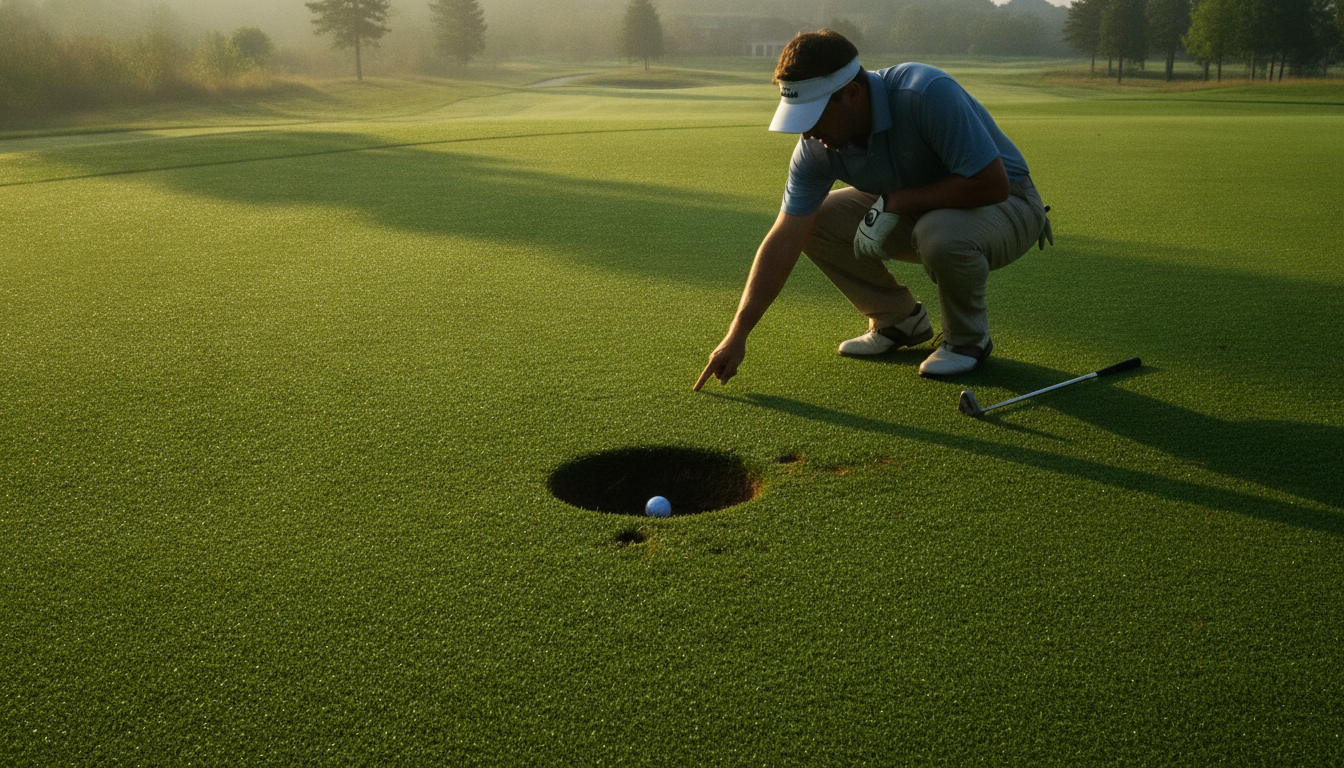
Embedded Ball Relief: What Rule 16 Really Allows
A club rules dispute over a plugged fairway lie highlights how embedded ball relief actually works under Rule 16, and how to drop correctly.
Read more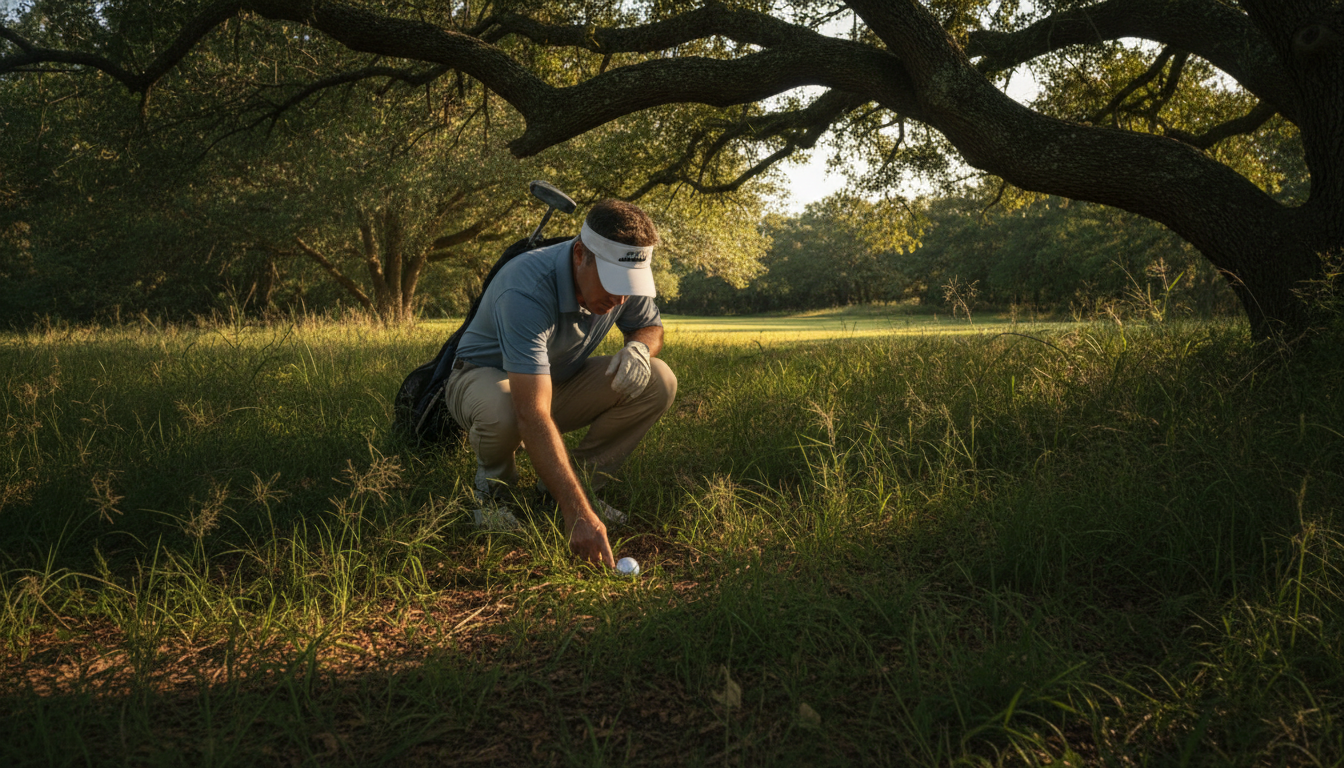
Unplayable Ball Calls: What the Rules Really Say
A tricky lie in the trees during a big tournament puts the unplayable ball rule in the spotlight. Here's what club golfers need to know before their next round.
Read more