Rule 6: Starting Times, Pace and Order of Play

Slow play complaints and a late arrival at the first tee are two of the most common flashpoints in club golf, and both fall squarely under one rule that many players only vaguely understand. Whether you are teeing off in a Saturday medal or a casual fourball, Rule 6 sets out exactly what you owe the game once your round begins: showing up on time, playing at a reasonable pace, and playing your shots in the correct order. Get any of these wrong and you can face a real penalty, not just a dirty look from your playing partners.
What we know
There is no single breaking news story behind this topic. Instead, Rule 6 is one of those provisions that quietly generates rulings and clubhouse arguments every single weekend, from members turning up two minutes late for their tee time to groups holding up the course behind them. Because these situations recur so often, it is worth walking through what the Rules of Golf actually say, rather than relying on the version passed around by word of mouth.
Starting on time
The clearest and most feared part of Rule 6 is the starting time obligation. If you arrive at your tee ready to play within five minutes after your starting time, the penalty is the loss of the first hole in match play, or two strokes at the first hole in stroke play, rather than disqualification. Arrive any later than that five-minute window and you are disqualified from the competition altogether. This is one of the few places in the Rules of Golf where being even slightly late has an immediate, tangible cost, so it pays to build in buffer time before your round, especially on a busy club day. The concept of the round beginning at your starting time, not when you happen to stroll up, is central here, and it connects to the broader idea covered under The Basics of Golf about respecting the structure of a competition.
Playing at a reasonable pace
Beyond arriving on time, Rule 6 also expects you to keep moving once you are out on the course. Golf does not prescribe a strict number of minutes per hole in the main text of the rule itself, but it does establish the principle that players should play at a good pace and be ready to play when it is their turn. Committees are given the tools to set pace of play policies for their own competitions, which is why you will often see local time-par guidelines posted at your club. The underlying idea is simple: your ready golf mindset, thinking ahead about club selection, walking briskly between shots, and being prepared to play as soon as it is safe and your turn arrives, keeps the whole field moving and prevents the kind of backup that turns a four-hour round into a six-hour slog.
Order of play
The third strand of Rule 6 deals with something every golfer thinks they know but frequently gets slightly wrong: who plays first. In match play, the general principle is that the player with the lower score on the previous hole plays first from the next teeing area, an idea often called playing the honor. Off the tee generally follows this honor system, while for the second shot and beyond, the ball farthest from the hole is typically played first. Stroke play uses the same basic logic, though the rules are more forgiving of playing out of order there since there is no penalty for doing so, only encouragement to use ready golf principles for the sake of pace. Understanding this order matters not just for etiquette but because it ties into the basics of playing golf fairly and with respect, one of the foundational themes of the sport.
Why this trips up club golfers
Most players who fall foul of Rule 6 are not trying to cheat or disrupt anyone. Late arrivals usually stem from underestimating traffic, parking, or how long it takes to warm up. Pace of play breaches often creep in from small habits: reading every putt from four angles, chasing a ball into the rough alone instead of asking a partner to help watch, or waiting for a playing partner to finish a routine before beginning your own preparation. None of these feel like rule violations in the moment, yet they add up to real delays that a Committee may eventually penalize under a club's pace of play policy. If you want a deeper dive into how these responsibilities interact with the rest of a round, the course module Forms of Play and More is a useful next stop, since starting times and playing order can shift depending on whether you are in a singles match, a Stableford event, or a team format.

All rules, practice exams and an AI Coach with photo recognition. Free to download.
Practical takeaways
- Treat your starting time as a hard deadline, not a target. Arriving within five minutes late still costs you a hole or two strokes, and anything beyond that means disqualification.
- Adopt ready golf habits even in strict stroke play: plan your shot while others are playing, and be ready to hit the moment it is safe and appropriate.
- Learn the honor and farthest-from-the-hole conventions so you are not the group holding up play by hesitating over who goes next.
- Check your club's local pace of play policy before a competition, since Committees are permitted to set specific time standards under Rule 6.
- If you are ever unsure whether you are entitled to play out of turn or need to pick up the pace, a quick conversation with your playing partners avoids awkwardness and keeps the group compliant with Rule 6.
Rule 6 rarely makes headlines, but it shapes nearly every round of golf played at the club level. Knowing its expectations around timing, pace, and order of play is a simple way to protect your score and your reputation as a considerate playing partner.
Rules in this article
Also read
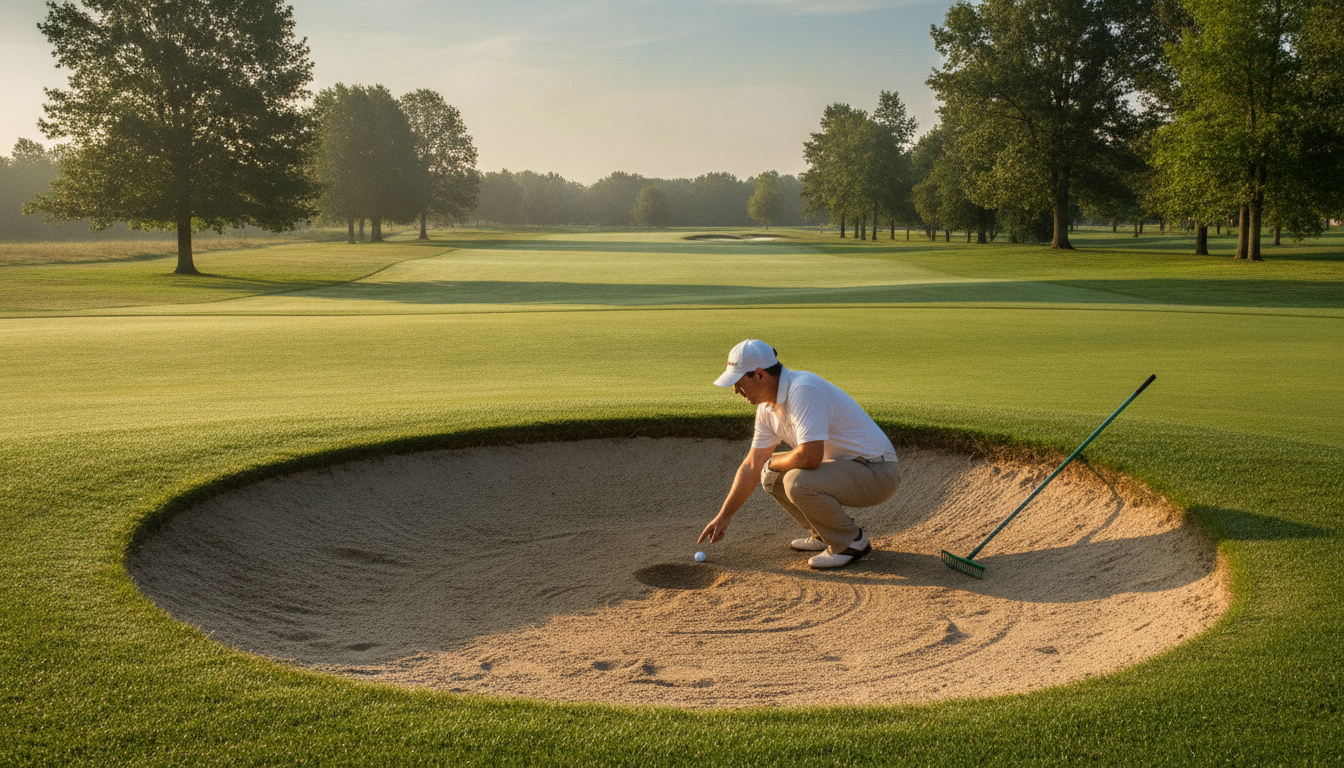
What Pro Golf Rulings Teach Club Golfers
Recent tournament rulings on bunkers, provisional balls, and relief highlight Rules of Golf lessons every club golfer should know before their next round.
Read more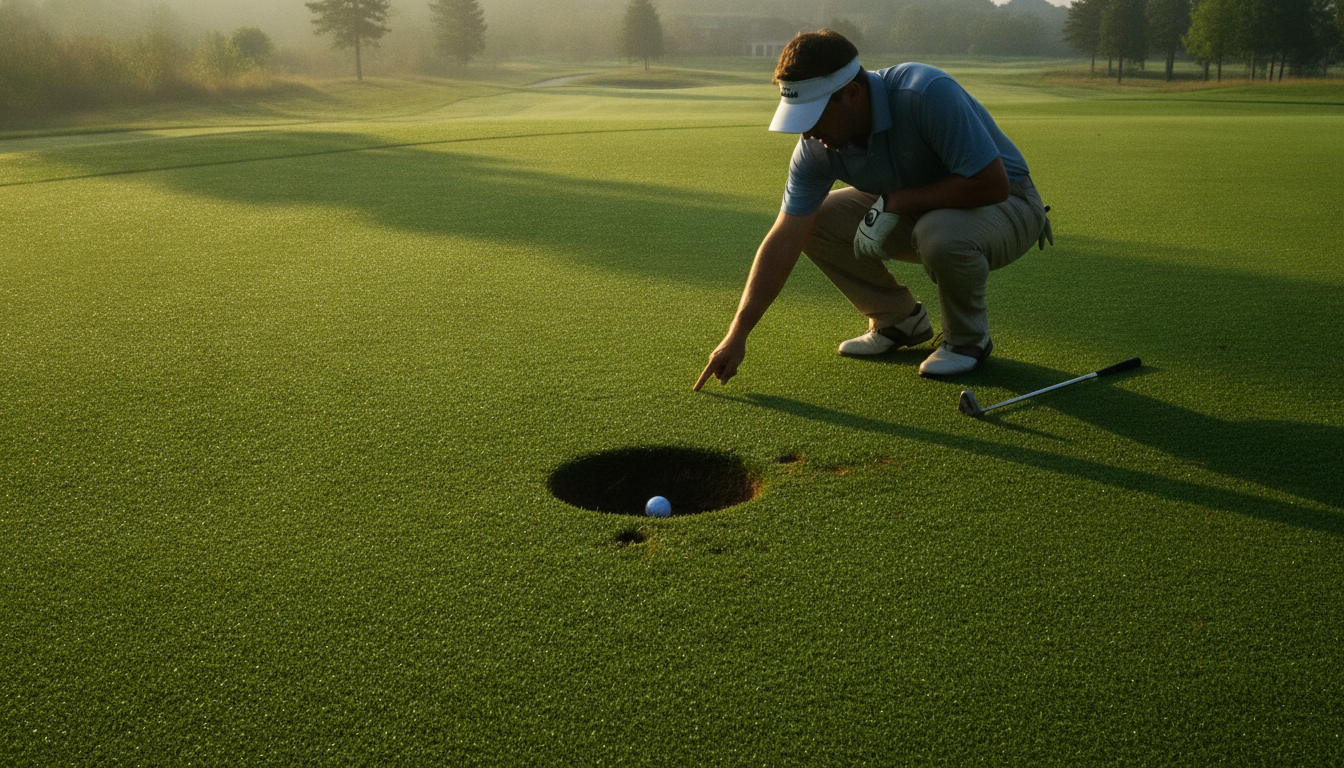
Embedded Ball Relief: What Rule 16 Really Allows
A club rules dispute over a plugged fairway lie highlights how embedded ball relief actually works under Rule 16, and how to drop correctly.
Read more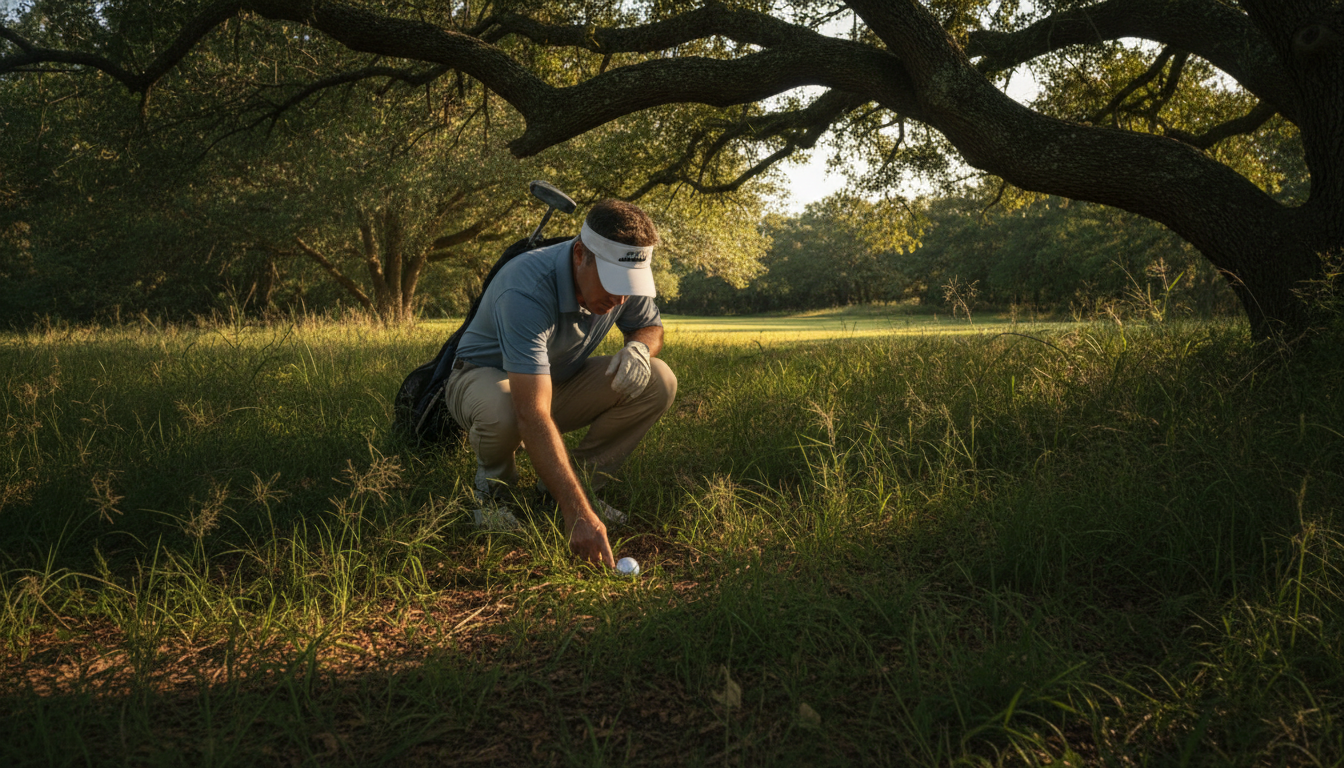
Unplayable Ball Calls: What the Rules Really Say
A tricky lie in the trees during a big tournament puts the unplayable ball rule in the spotlight. Here's what club golfers need to know before their next round.
Read more