PGA Tour's Faster Rules Reviews and Rule 20
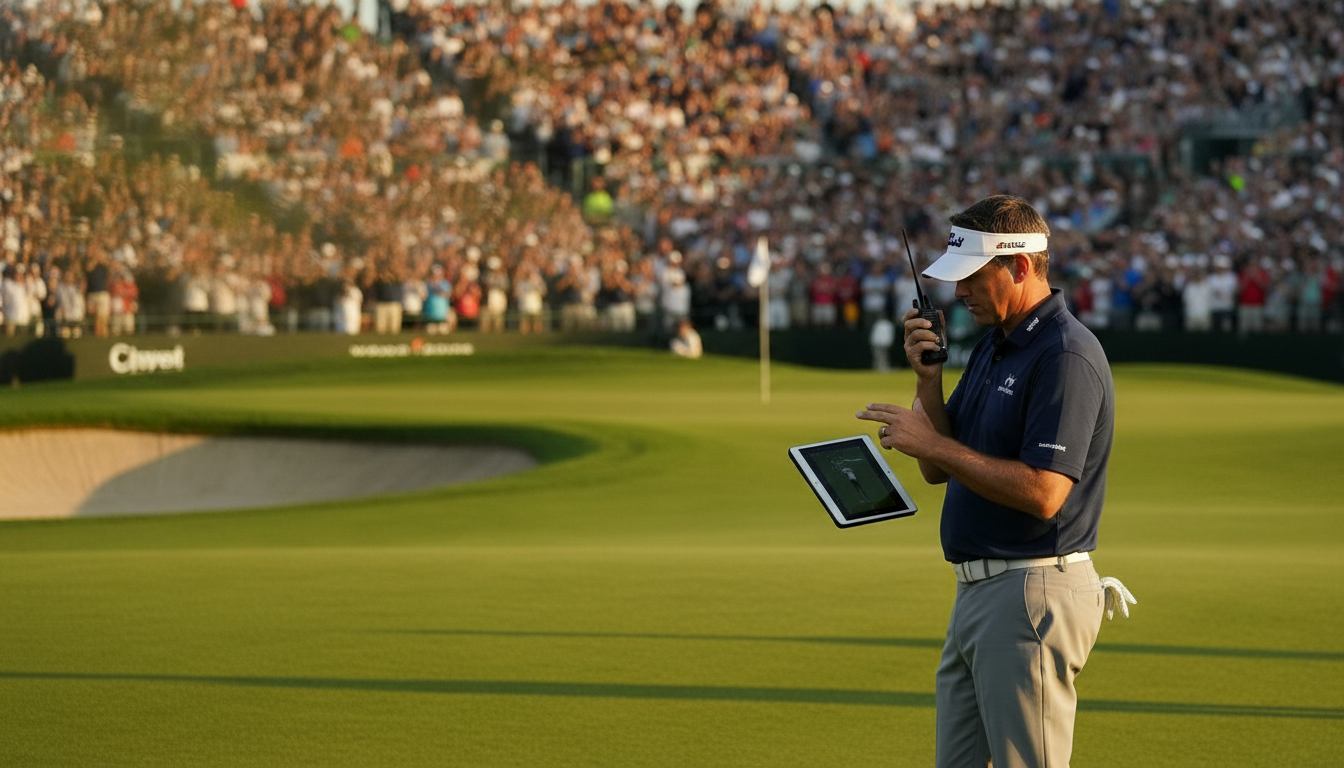
The PGA Tour heads into the TOUR Championship with a new wrinkle in how it handles rules complaints from television viewers and social media. According to reporting from EssentiallySports, the Tour has moved toward an "expedited review" approach for video-based rules queries, aiming to resolve potential breaches faster during a round rather than letting them linger into post-round scrutiny. The change has already stirred debate among fans and commentators about fairness, consistency and how much power outside viewers should have over a competitor's score.
What We Know So Far
Details remain limited at this stage. The core of the reporting is that the PGA Tour has adjusted its internal process for fielding viewer-generated rules complaints, pushing officials to review and rule on potential issues more quickly rather than waiting until after a round is complete. This comes against the backdrop of a sport increasingly shaped by high-definition broadcasts, slow-motion replay and an army of armchair rules experts watching every shot. The TOUR Championship, as the season-ending event, puts extra weight on any ruling that could affect final standings, so the timing of this policy shift is notable even if the full mechanics of the new review process have not been exhaustively detailed publicly.
Video for this article

The Committee's Authority Under Rule 20.2b
At the heart of this story sits Rule 20, which governs how rules issues are resolved during a round. Under the Rules of Golf, it is the Committee running the competition, not broadcasters or viewers, that holds the authority to make rulings. Rule 20.2b specifically addresses situations where a ruling is needed and clarifies how and when a decision must be made, including provisions for using video evidence.
The Rules already anticipate that video review is part of modern golf. A player is generally not penalized for a fact that could only be seen using video technology if that fact was not reasonably discoverable with the "naked eye" standard, and any doubt is typically resolved in the player's favor when video shows something almost impossible to detect live. What the Tour's new expedited approach seems to target is not the standard itself but the timing and process: getting officials to a decision point sooner, before the ambiguity of a delayed review muddies the competitive picture.
Why the Timing of a Ruling Matters
Speed matters in golf rulings for a simple reason: scores are locked in once a player signs their Scorecard. If a potential breach only surfaces well after a round has finished, it can create complicated retroactive situations that are much harder to unwind fairly than if the Committee can review it during play. This is where exam-level knowledge of the resolution process becomes valuable: understanding not just what the rules say about a breach itself, but how and when a ruling should be delivered, and what recourse a player has if new information emerges.
For everyday club golfers, this Tour-level tension is a useful reminder of a principle in Rule 1: golf is fundamentally a game of integrity, where players are expected to call penalties on themselves. Professional events add a layer of external scrutiny that most weekend rounds simply do not have. But the underlying question, who decides, and when, is exactly the same one addressed by Rule 20.2b, whether it is a walking rules official at a major championship or a friend in your foursome questioning a drop.
Video Evidence and the "Naked Eye" Standard
One of the more nuanced aspects of modern rules administration is how video evidence interacts with the standard of what a player could reasonably have known in real time. The Rules generally protect players from penalties for things that were not visible without enhanced technology, such as a ball moving by a fraction of an inch that only appears clear in extreme slow-motion replay. This standard exists precisely because HD broadcasts and viewer clips can reveal details invisible to the player, caddie, or on-site official in the moment.
An expedited review process does not change this underlying protection. What it changes is how quickly a Committee acts once a complaint or query is raised, reducing the window in which a player might otherwise complete several more holes, or an entire event, before a rules question is even considered.

All rules, practice exams and an AI Coach with photo recognition. Free to download.
Practical Takeaways for Your Own Game
- If you suspect a rules issue during your own round, raise it with your Marker or playing partners promptly rather than waiting, mirroring the spirit of a quick, in-round review.
- Remember that in stroke play, decisions about your Hole score should ideally be settled before you sign your scorecard, since the deeper into a round or event an issue is raised, the messier it becomes.
- Familiarize yourself with how Rule 20 outlines the process for resolving uncertainty on the course, so you know your options if a rules question arises mid-round.
- Understand that video or photographic evidence, even from your own phone or a playing partner's, can support a fair ruling, but the same "could not reasonably have known" protections that apply on Tour also inform how club-level committees should treat marginal, hard-to-see breaches.
- Use tools like exam training modules to sharpen your understanding of how rulings are supposed to work in real time, not just what the penalty is once a breach is confirmed.
The PGA Tour's expedited review approach at the TOUR Championship is, at its core, a practical response to a very modern problem: too many eyes, too much footage, and not enough clarity on when a ruling should actually happen. For club golfers, the lesson isn't about high-definition replay, it's about acting on rules questions promptly and understanding that, just like on Tour, the Committee's timely decision matters as much as the rule itself.
- PGA Tour adjusts approach to viewer rules complaints ahead of TOUR Championship · EssentiallySports
Rules in this article
Also read

What Pro Golf Rulings Teach Club Golfers
Recent tournament rulings on bunkers, provisional balls, and relief highlight Rules of Golf lessons every club golfer should know before their next round.
Read more
Embedded Ball Relief: What Rule 16 Really Allows
A club rules dispute over a plugged fairway lie highlights how embedded ball relief actually works under Rule 16, and how to drop correctly.
Read more
Unplayable Ball Calls: What the Rules Really Say
A tricky lie in the trees during a big tournament puts the unplayable ball rule in the spotlight. Here's what club golfers need to know before their next round.
Read more